Moonshot
 Higgsfield
 Orgn
 42dot
 Robocore

Where Should We Build Data Centers?
Data centers power modern life and AI. The harder question is where to put them so growth does not land on nearby residents.
Why Data Centers Matter to Everyone
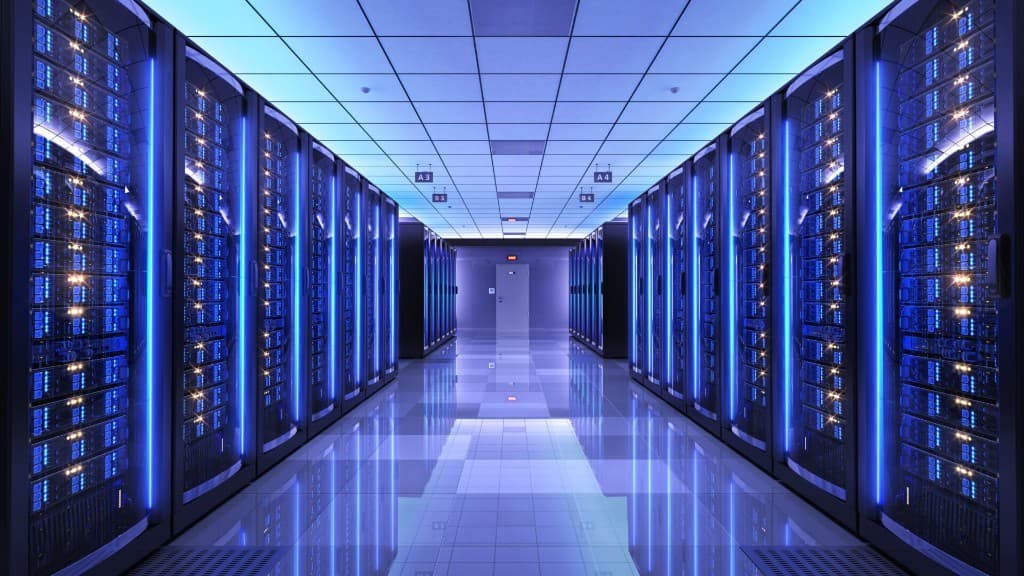
Data centers have become an increasingly important part of modern life. They store information, power online services, support artificial intelligence, and provide the computing capacity that businesses and governments rely on every day. As demand for these services grows, companies are building larger facilities across the United States and around the world. This expansion raises an important question: where should these facilities be built, and how can we make sure their benefits do not come at the expense of the people living nearby?
The answer requires thoughtful planning. Data centers will remain necessary as the digital economy grows, but their location, energy supply, water use, and financing should be considered before construction begins.
Much of modern life depends on data centers, even when people rarely think about them. Online banking, digital payments, video streaming, email, cloud storage, navigation apps, and countless business services rely on computing infrastructure. Hospitals use digital systems to store medical records and support research. Universities rely on cloud platforms for education and scientific work. Emergency services and government agencies depend on secure systems to store information and communicate.
Artificial intelligence has added another major source of demand. AI tools can assist with medical research, analyze large amounts of information, support software development, improve business operations, and help people complete everyday tasks. These systems require substantial computing power, which data centers provide.
According to ABI Research, there are an estimated 8,821 data centers worldwide in 2026, with the number projected to exceed 12,000 by 2035. The research also identifies AI as a major driver of expansion, with larger facilities becoming increasingly common. These figures illustrate how quickly the infrastructure supporting the digital economy is growing.
Data centers also support economic activity through construction, equipment manufacturing, electrical work, maintenance, and investment in surrounding infrastructure. Their long-term value extends beyond the companies that own them because they support services used by millions of people.
The challenge is accommodating this growth without placing unreasonable burdens on local communities.
Choosing Better Locations
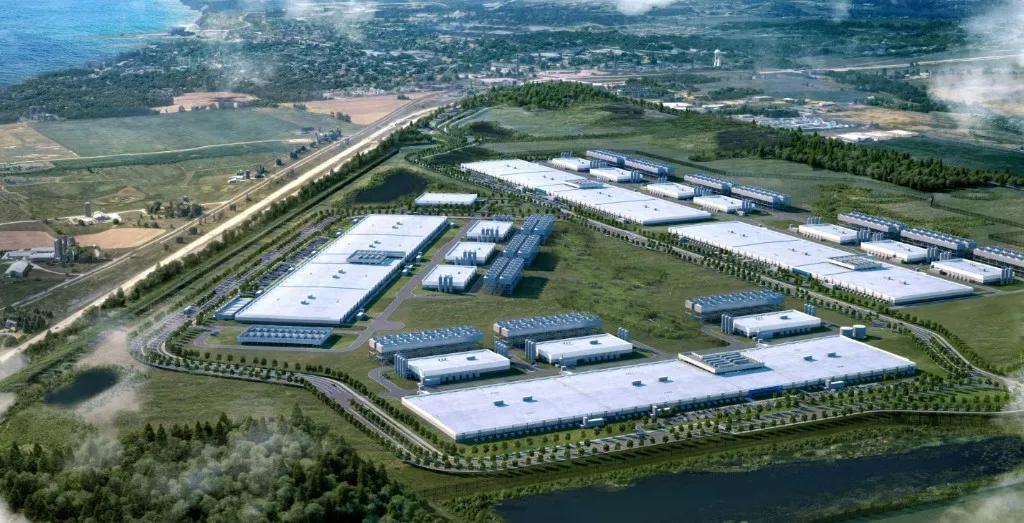
One of the most effective ways to reduce conflict is to give greater consideration to location before approving a project. Large data centers should generally be directed toward suitable industrial zones, established technology campuses, and previously developed commercial or industrial land, rather than areas immediately beside homes, schools, or other sensitive community spaces.
Former industrial sites and underused commercial properties may offer opportunities to reuse existing infrastructure and limit the loss of farmland or natural areas. Locations with suitable electricity transmission capacity, reliable network connections, and adequate road access should receive serious consideration as well. Reusing existing infrastructure can reduce the need for disruptive new construction, although each site still requires an assessment of its capacity and environmental conditions.
Distance from residential neighborhoods also matters. Large facilities produce continuous noise from cooling equipment and ventilation systems, while backup generators can add further disturbance during testing or emergencies. Careful site selection, sufficient setbacks, sound barriers, and modern cooling technology can reduce these impacts.
Water availability should be another major consideration. Communities already facing water shortages should not have to compete with large industrial facilities for limited supplies. Developers should demonstrate that their proposed cooling systems and expected water consumption are appropriate for local conditions before receiving approval.
These decisions should be based on the needs of each location rather than a single national rule. A site with reliable power, sufficient water, and little nearby residential development may be suitable for a large facility, while another site with the same amount of land may create serious problems.
Paying for the Energy They Require
Electricity costs are among the most important concerns surrounding data center expansion. Large facilities can require enormous amounts of power, and meeting that demand may require new transmission lines, substations, and electricity generation. If these investments are financed through general utility rates, households and small businesses could end up paying part of the bill for infrastructure built primarily to serve large technology companies.
A fairer approach would require data center operators to pay the costs directly attributable to their projects. This could include dedicated grid connections, necessary upgrades to transmission and distribution infrastructure, and additional power capacity required to serve the facility. Electricity tariffs should also reflect the scale and reliability requirements of their consumption.
These arrangements would need careful regulation. Utilities should distinguish between costs caused by a particular data center and broader improvements that benefit the entire electricity system. Regulators can then allocate expenses appropriately instead of automatically shifting them onto residential customers.
Companies should also be encouraged to develop new energy supplies alongside their facilities, through arrangements such as dedicated renewable generation, energy storage, and other dependable sources of electricity. These projects should contribute additional capacity rather than simply compete with existing customers for power.
Research from the Brookings Institution highlights the importance of making data center operators pay a fair share of the electricity costs associated with their facilities. As demand grows, utilities may need to invest in new power generation and grid infrastructure, and some of these expenses can be passed on to households through higher electricity bills. Brookings points out that major technology companies have the financial resources to shoulder more of these costs. Requiring operators to cover the expenses their facilities create, alongside greater transparency about projected energy and water use, would help protect consumers and allow communities to make better-informed decisions about proposed developments.
Reducing Environmental and Community Impacts
Better locations and fairer electricity arrangements should be accompanied by practical environmental standards. Developers should disclose expected electricity and water consumption, cooling methods, backup power arrangements, and projected noise levels before construction begins.
Where possible, facilities should use cooling technologies that reduce freshwater consumption, particularly in drought-prone regions. Reclaimed water may be appropriate where local treatment infrastructure can supply it safely and reliably. Operators should also evaluate opportunities to reuse waste heat when nearby buildings or industrial processes can make practical use of it.
Local governments should consider the combined impact of multiple facilities. Several data centers in one area can place far greater pressure on electricity networks, water supplies, and roads than any individual project suggests. Approval decisions should account for cumulative demand and the capacity of existing infrastructure.
Communities should also have meaningful opportunities to review proposals and raise concerns before permits are issued. Developers can provide public reports, establish clear noise limits, fund agreed-upon local infrastructure improvements, and contribute to community benefits where projects place additional demands on public resources.
Making Growth Work for the Public
Data centers are to remain a major part of economic and technological development. Their importance to communication, commerce, healthcare, scientific research, and AI means that communities will continue to depend on the services they provide.
That makes careful planning more important, not less. Governments should identify suitable locations, protect residential area, and establish clear rules for how developers pay for the resources they consume. Companies should be expected to demonstrate that their projects can operate without creating unreasonable costs for nearby residents.
There are economic benefits to getting these decisions right. Well-planned facilities can attract investment, support skilled trades, generate tax revenue, and provide the infrastructure businesses need to grow. Poorly planned projects can create lasting resentment and leave households facing costs they had little opportunity to prevent.
The goal should be to make data center development compatible with the needs of the communities around it. By directing facilities toward appropriate sites, requiring operators to cover their fair share of energy and infrastructure costs, and setting clear environmental standards, governments can support technological progress while protecting the public interest.
Data centers are an important part of the infrastructure that supports modern society. With sensible planning and fair financial arrangements, their continued growth can serve the wider public without placing an unreasonable burden on the people who live closest to them.
Sources
Published: Oct 9, 2026 · Evan Sipplen